When an active infestation breaches residential living areas, prompt domestic containment restores environmental safety and eliminates biological contamination. Securing an objective pest control service in Baltimore ensures that interior nesting sites and exterior masonry voids are systematically treated with targeted structural applications.

A pest control service in Baltimore is an on-site structural diagnostic and biological containment intervention designed to identify harborage, eradicate active insect or rodent populations, and mechanically seal entry pathways across residential dwellings and commercial buildings.
Every service reflects the same meticulous attention to detail, whether it's a single job or a larger pest control sevice project across Baltimore.
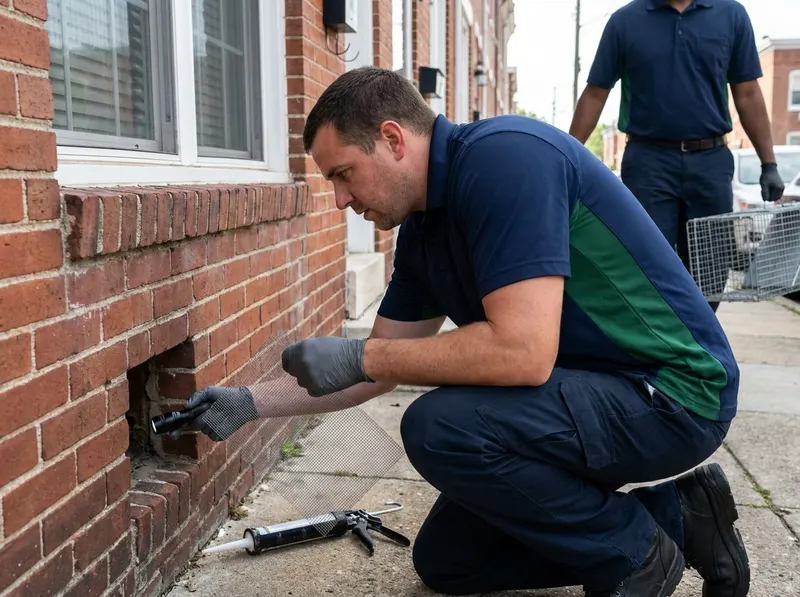
Indoor rodent containment terminates active Norway rat and house mouse foraging pathways across kitchens, basements, wall chases, and suspended drop ceilings. Experienced technicians pinpoint sub-basement travel routes along foundation sill plates, place secure tamper-resistant bait stations containing anticoagulant or neurotoxin blocks, and seal foundation gaps larger than one-quarter inch using high-density copper mesh and expanding hydraulic mortar compounds. This structural approach stops foraging rodents from contaminating exposed food surfaces, gnawing on wiring insulation, and breeding within structural wall cavities.
Get a quote →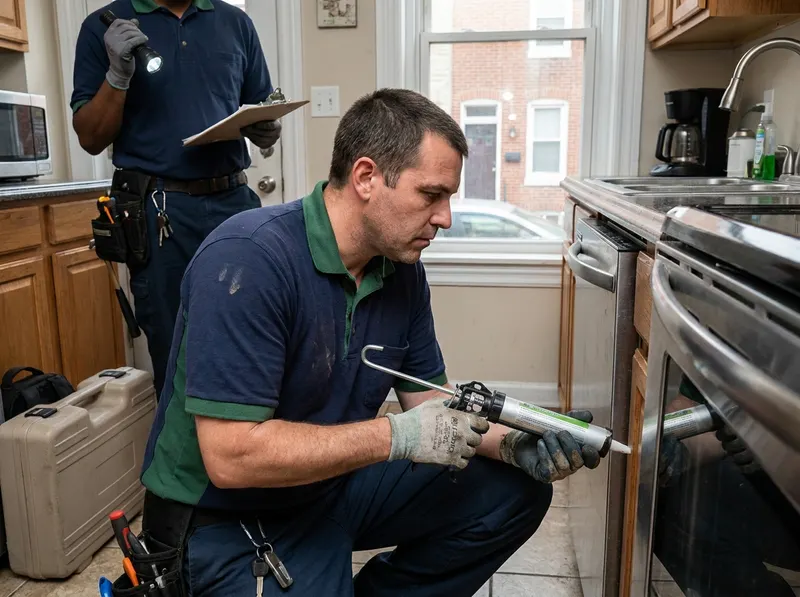
Targeted cockroach protocols utilize insect growth regulators and non-repellent micro-gel baits placed directly inside cabinet hinges, appliance motor housings, plumbing wall escutcheons, and structural drywall crevices. This technical protocol avoids the chemical scatter common with over-the-counter aerosol bug bombs, systematically disrupting the insect's reproductive cycle across dense urban rowhouse kitchens. Residual non-repellent micro-encapsulated liquid barriers ensure that newly hatched nymphs from unhatched ootheca egg cases ingest the targeted active ingredients and perish before attaining reproductive maturity.
Get a quote →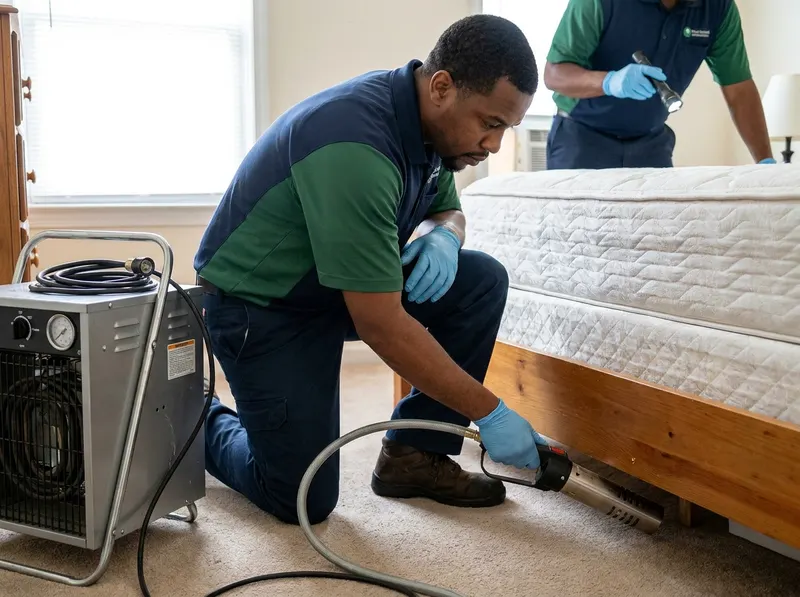
Bedbug containment uses precision contact applications and residual desiccating dusts within baseboards, electrical junction boxes, mattress seams, and structural perimeter moldings. Detailed visual and tactile inspections pinpoint harborage zones to eliminate adult insects, nymphs, and eggs without driving pests through shared party walls into neighboring rooms. High-temperature steam treatments exceeding 180 degrees Fahrenheit are directed into tufts, folds, and structural frame joints, delivering an instant biological knockdown of pesticide-resistant bedbug strains.
Get a quote →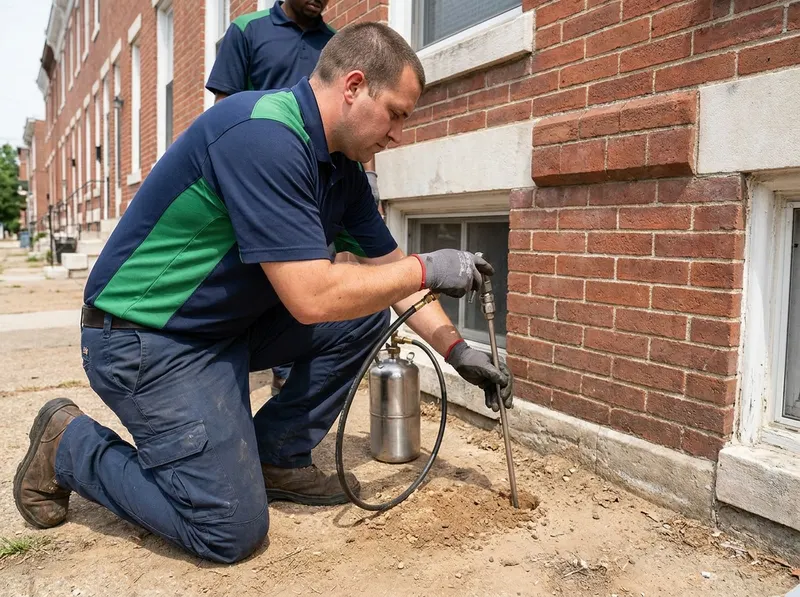
Termite defense establishes a continuous chemical barrier along building foundations to eliminate eastern subterranean termites before they undermine framing members. Treatments involve trenching soil borders four to six inches deep and precision-drilling basement slabs along load-bearing masonry to inject liquid termiticides directly into sub-slab aggregate. This intercepts exploratory mud tubes, neutralizing the subterranean colony as foraging workers carry the slow-acting transfer agent back to the central subterranean queen and brood chambers.
Get a quote →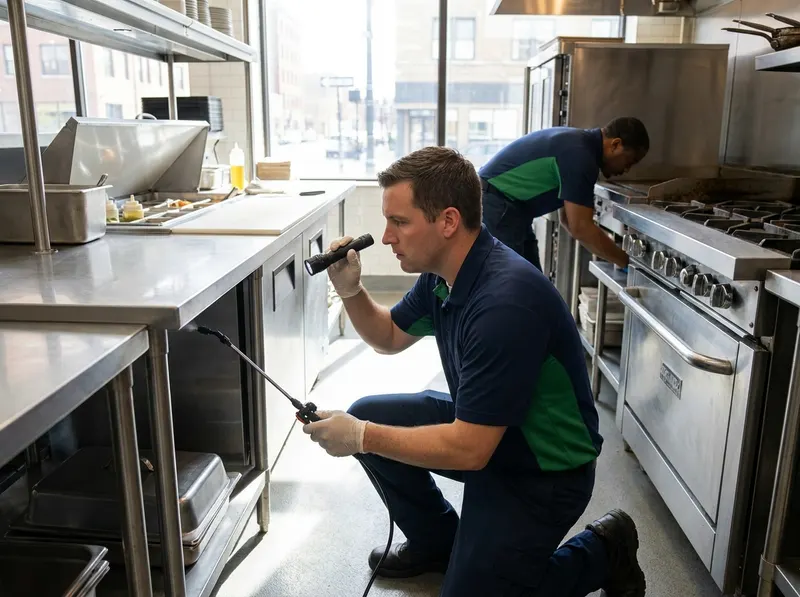
Commercial pest programs provide scheduled health-code compliant monitoring for dining facilities, warehouses, food distribution hubs, and multi-tenant office structures. Interventions focus on drain fly elimination via biological foam bioremediation, grease line sanitation, mechanical structural exclusion, and non-toxic insect light monitoring traps. Detailed regulatory compliance logs, material safety data sheets, and barcoded trap inspection reports ensure that commercial food operators satisfy Baltimore City Health Department food protection codes.
Get a quote →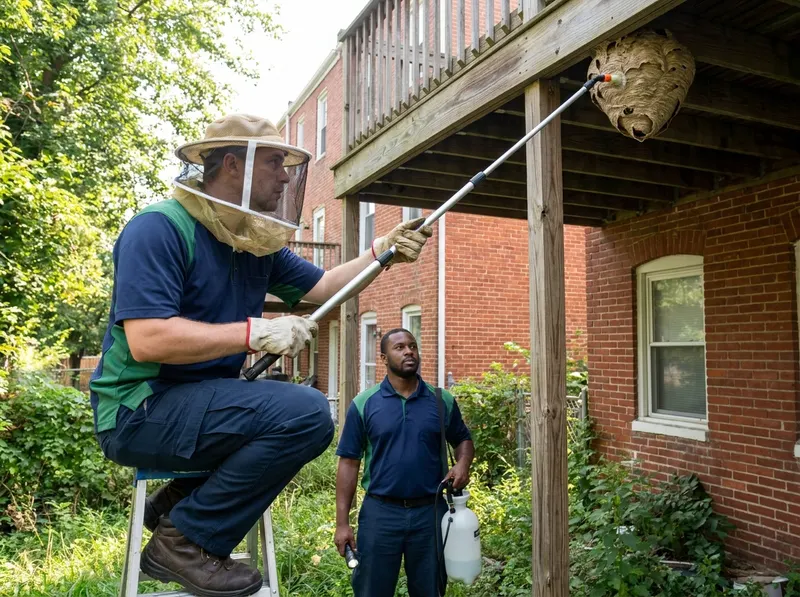
Exterior stinging insect removal eliminates baldfaced hornet aerial nests, paper wasp colonies, and yellowjacket subterranean ground cavities from building soffits, porches, and roof eaves. Specialized long-reach application rods inject localized insecticidal knockdown dusts directly into primary nest openings, stopping aggressive defending wasps instantly. Technicians then mechanically detach exterior paper nests, scrape attachment footprints from siding substrates, and caulk open exterior fascia gaps to discourage future queen colonizations.
Get a quote →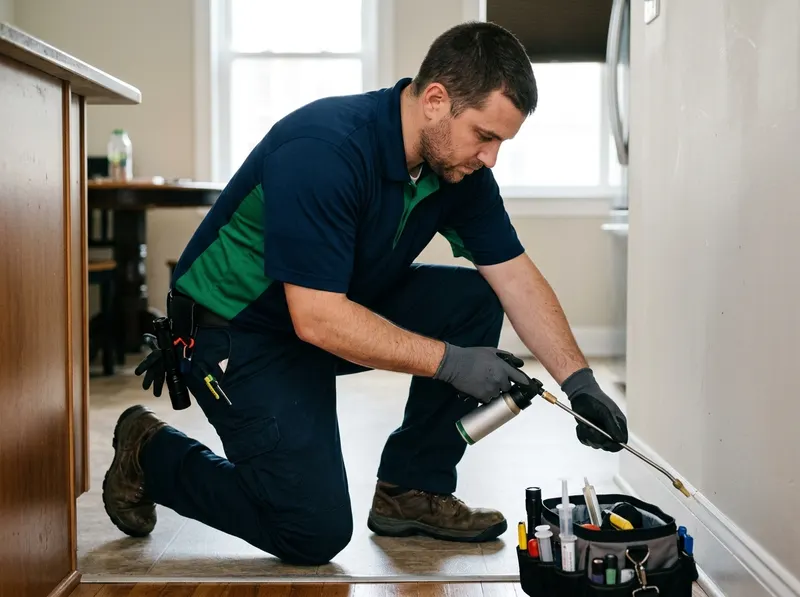
Odorous house ant and carpenter ant treatments employ low-toxicity liquid baits matched to colony carbohydrate preferences. Foraging worker ants transport active containment compounds deep into satellite nests within damp framing lumber, eradicating the queen and resolving recurrent trail activity. When treating carpenter ants nesting in moisture-compromised structural timbers, technicians drill miniature access ports directly into hollow wall cavities to mist localized desiccant dusts, terminating structural wood destruction.
Get a quote →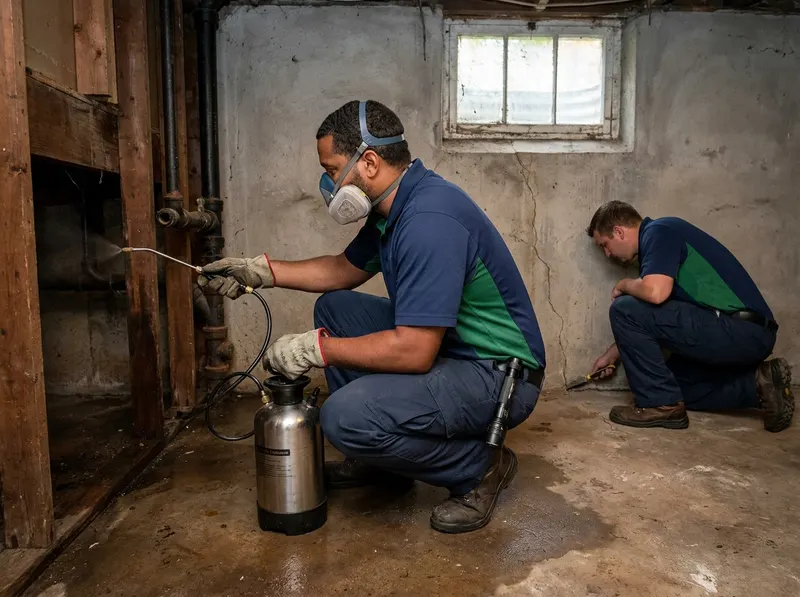
Targeted indoor flea treatments eliminate emerging larvae and adult biting populations harbored within floor rugs, upholstery, floorboard cracks, and damp unfinished basement floors. Dual-action formulas combine rapid adulticides with juvenile hormone mimics to disrupt the 21-day life cycle across indoor pet zones. Thorough application across horizontal flooring substrates prevents pupae from completing development, relieving household members from painful insect bites and persistent dermatitis.
Get a quote →You get a firm, itemized quote for your pest control sevice before any work begins, no surprises, no pressure.
Careful prep, tidy work, and a full cleanup when we are done. We treat your home and belongings like our own.
The same trusted, background-checked team from the first call to the final check.
Selecting the proper treatment protocol depends on structural architecture, pest biology, and infestation depth across the premises. If your property displays acute, localized insect activity such as German cockroaches isolated beneath kitchen sinks or bedbugs confined to a single sleeping quarters, targeted indoor crack-and-crevice application with insect growth regulators provides direct containment; if pest activity originates from subterranean colonies or exterior runs such as eastern subterranean termites or Norway rats burrowing beneath foundational slabs, non-repellent perimeter soil treatments and physical rodent exclusion barriers are necessary. The operational trade-off centers on application scope versus mechanical isolation: targeted internal containment arrests active interior contamination within 24 to 48 hours but leaves unsealed exterior masonry voids vulnerable to secondary incursions, whereas comprehensive structural exclusion seals party walls and exterior penetrations permanently yet requires destructive wall inspection access and extended labor.
If an infestation involves stinging insects or wood-destroying beetles in exterior roof eaves, direct localized aerosolization and micro-encapsulated liquid treatments secure perimeter boundaries without chemical drift into living spaces; if the issue stems from widespread structural dampness harboring subterranean termites, continuous trenching along basement foundations forms an unbroken protective barrier. For commercial food preparation establishments, routine monthly integrated pest management protocols manage regulatory sanitation risks, whereas residential rowhouse settings require deep one-time biological knockdown coupled with long-term mechanical barrier defense. Balancing chemical longevity, mechanical exclusion scope, and physical disturbance to historic finishes dictates whether property owners should deploy localized remedial measures or commission whole-envelope structural containment.
Every project gets a firm, written price after a free on-site visit. Ranges below for orientation.
Tell us about your pest control sevice job and we'll send a clear, written quote, usually the same day. Or just call and talk to a real Baltimore pro.
(443) 726-9284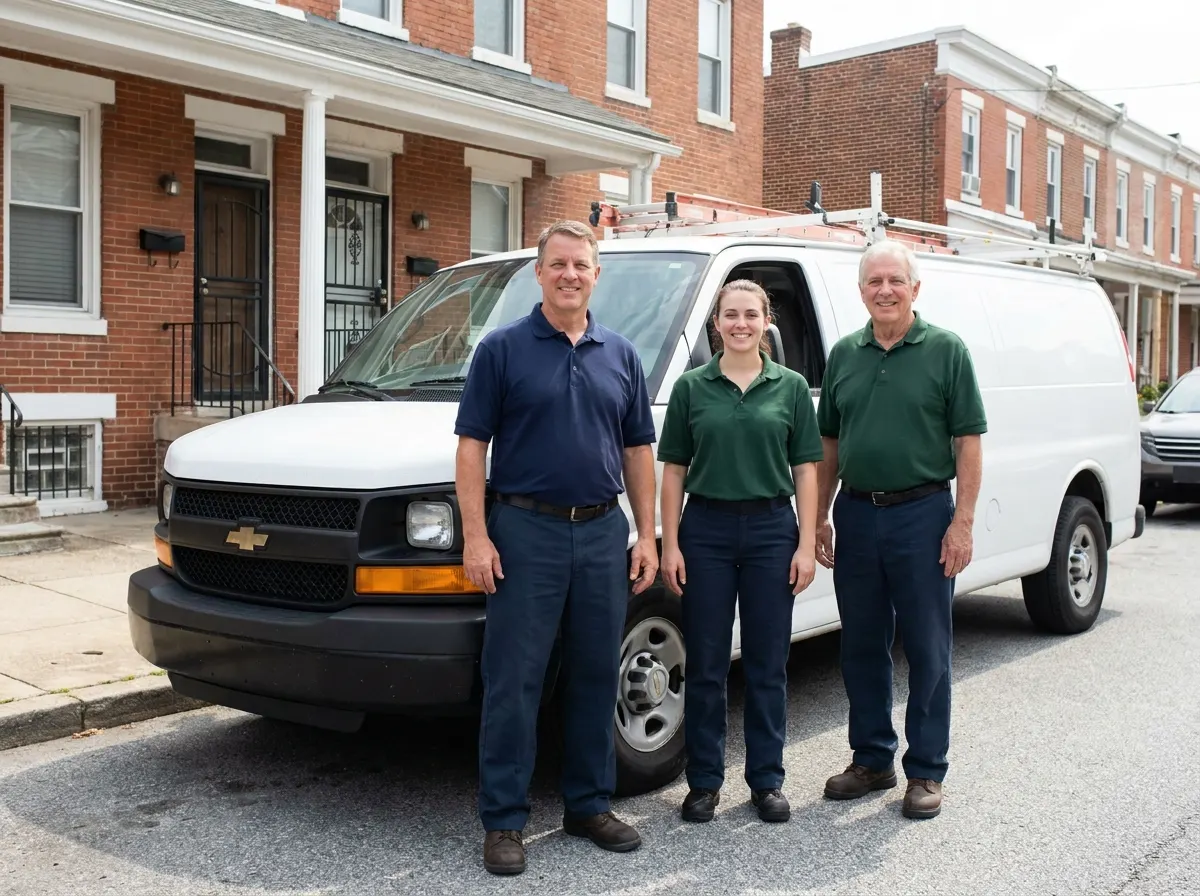
Baltimore City features high-density historic rowhome architecture constructed with continuous shared brick party walls and rubblestone foundation footings. These common utility raceways allow pests like the Norway rat and German cockroach to travel horizontally between properties from Canton to Mount Vernon when barometric pressure changes, construction activity vibrates substrates, or food sources fluctuate. In neighborhoods flanking historic maritime corridors such as Fells Point and Locust Point, elevated water tables and legacy brick stormwater conduits create moisture-rich subterranean runs that encourage damp-loving subterranean termites and sewer-dwelling rats. Similarly, hilly residential sectors including Hampden and Roland Park feature dense perimeter foliage and aging stone masonry, creating direct transitional bridges for white-footed mice and carpenter ants to move from mature woodland canopies into structural roof decks. Managing infestations across these diverse micro-environments requires site-specific mechanical sealing, including high-grade copper mesh, stainless steel escutcheons, and elastomeric masonry sealants capable of bonding to weathered 19th-century mortar.
Free estimates for Baltimore & the surrounding area.
 Zandora Pest Relief